
The product(s) featured in this post was provided free of cost to me. Please note that, as always, any personal opinions reflected in this post are my own and have not been influenced by the sponsor in any way.
Some of the posts on this site, such as this one, contain an affiliate link. This means I MAY get paid a VERY SMALL commission if you purchase the product or service.

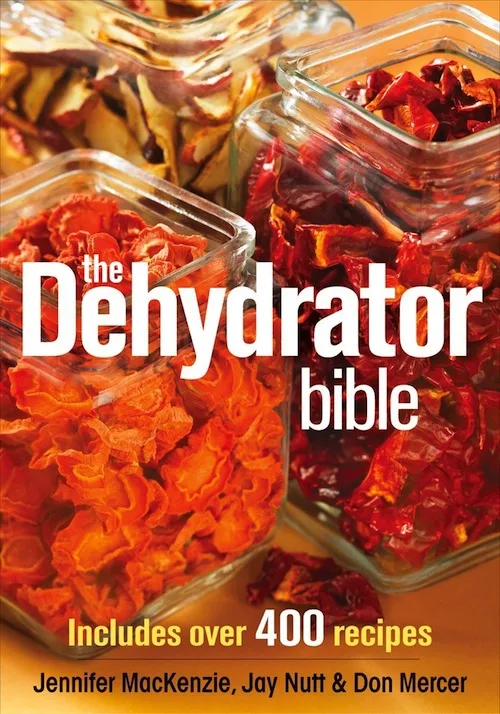
The Dehydrator Bible
- Author: Jennifer MacKenzie, Jay Nutt, Don Mercer
- Paperback: 384 pages
- Publisher: Robert Rose (March 27, 2009)
- ISBN-10: 0778802132
- ISBN-13: 978-0778802136
- Cover price $24.95
This 100,000-copies-sold bestseller on food dehydration has been updated!
Whether you grow your own food, buy it locally from farmer’s markets or farmstands or even buy it from a regular supermarket, seasonality still affects its price and abundance. Therefore, it makes sense to preserve food for those times when it’s not as plentiful, or not available at all. Drying food is a wonderfully tasty and easy way to do this.
All of the wonderful original recipes are still here. What has changed is that the “Dehydrating Foods” section has been expanded to include even more comprehensive and complete information about dehydrating foods, along with even more tips and techniques.
The book includes more than 150 recipes for dehydrating herbs and seasonings, fruits, vegetables, meats and fish, and more than 250 delicious recipes that actually use the dehydrated foods as ingredients so you can put home-preserved food to work for you in your home, RV, boat or campsite.
The easy-to-follow drying instructions and time guidelines will make even a novice cook feel like a seasoned professional in no time. So plant a few extra rows of tomatoes or beans, pick a heap of strawberries at their peak or buy that big basket of freshly harvested carrots. Then load up your dehydrator. You’ll be thrilled to be cooking with your own dried foods the whole year through!
Jennifer MacKenzie is a professional home economist, cookbook author and recipe developer.
Jay Nutt is a chef and restaurant owner.
Don Mercer, Ph.D., P.Eng, is an associate professor in the Food Science Department at the University of Guelph.
I became interested in food dehydrators years ago, after my friend gave me some homemade jerky that her husband had made. It was absolutely delicious. I’ve made a good number of batches over the years, and enjoy tweaking the recipe. We’ve also dried some fruit, and make some fruit leather. all of those things are great, but sometimes I forget there’s a lot more that a food dehydrator can do.
Some folks think that dehydrators are expensive. There are some inexpensive models. Plus if you use them a lot they pay for themselves over time. Most foods don’t require tons of prep work before dehydrating. You do need to be patient, and to make sure the food is done properly before removing it from the dehydrator. According to Jennifer Mackenzie, co-author of The Dehydrator Bible, the greatest error the average person commits when it comes to home dehydrating is trying to rush the process and not letting foods dry completely which can lead to premature spoiling.
The Dehydrator Bible is more than just a cookbook, it’s a great resource on dehydrating that explains the whats, whens and whys. Dried foods are quite versatile and can be used for many different things. There are lot of recipes in here that I’d like to try. The recipes in this book are all clearly written and easy to understand. As dehydrating requires time, it’s totally understandable why the cooking time isn’t listed individually, as dehydrating isn’t something you can do in a hurry. There are only a few color photos in the book. I do love photos in a cookbook, so I do wish there were more.
This would be an excellent cookbook for those considering getting a dehydrator or those getting started, as well as folks who already have one and want to learn about more of the things you can do with it.


Here are five tips to keep in mind if you’re just getting started with home dehydrating, courtesy of Jennifer Mackenzie, co-author of The Dehydrator Bible.
- Start small – just cut up 1 apple and dehydrate it to get a feel for your machine and the technique. Get some confidence and experience before you try a whole bushel.
- Buy a good knife and a mandolin slicer. Sharp blades are safer and make chopping and slicing so much more enjoyable.
- Think about the foods you like most and stock-pile those and dry fewer of those you use less often. If you use a lot of bell peppers in soups, sauces and on pizza, then dry a lot. If you only use leeks once in a while, don’t buy a basket-full to dry.
- Plan ahead – make sure you’ll be home to monitor the dehydrator before you buy that case of kale. Food is best when dried as soon as possible after harvest to preserve the best flavour and texture.
- If you’re planning meals for camping, mark your favorite recipes well ahead of time and make a list of the dried foods you’ll need, then gradually stock your dried food pantry over several weeks or months so it’s ready to pack before your trip – don’t try and dry everything the week before you go!
CONNECT
Robert Rose website – Robert Rose Books on Facebook – Robert Rose Books on Twitter
Elaina
Thursday 16th of July 2015
I see so many people doing this- maybe it's time I jumped on this bandwagon too!
Terri Beavers
Wednesday 15th of July 2015
I need to get a new dehydrator and when I do, I'll grab this book as well. I love dried fruits and so do the kids. My dehydrator died on me after 10 years of loyal service. I'm looking for a new one.
patricia Marsden
Friday 26th of June 2015
Dehydrated foods are great stored--natural, less container space, power outage safe.